Knowledge needs a lifecycle, not a publish date.
AI-ready knowledge is accurate, current, and still sounds like you. Here is why most of it isn't, and what it takes to get there.
Your knowledge stopped keeping up with you.
None of these are AI problems. They're all the same problem, showing up in three places.
It contradicts itself
Three versions of the same policy live in three systems, and all of them are findable.
Nobody knows what's current
Your team guesses. Your new hires learn from material that went stale a year ago.
The AI pilot underdelivered
It demoed beautifully. In production it answers confidently and gets things wrong.
The model was never the problem. What sits underneath it was.
It goes wrong
Agents can't tell current from outdated, so they retrieve a stale fragment and state it as fact. Air Canada was held in court to a refund policy its chatbot invented. Deloitte Australia refunded $290,000 over fabricated citations. Both were knowledge failures diagnosed as model failures.
It goes generic
Your docs, your training and your agent's answers start sounding like everyone else's. The judgment that made your explanations yours gets flattened into competent, forgettable prose. Your knowledge is where your culture lives.
Six steps, not two.
- 1
Created
Written once, with structure a machine can read.
- 2
Published
Into every surface that needs it.
- 3
Drifts
The product changes. The content doesn't.
- 4
Detected
The system notices it has gone stale.
- 5
Repaired
Fixed at the source, everywhere at once.
- 6
Republished | Retired
Back out to every surface that uses it, or retired so nothing can retrieve it again.
Most organizations have steps one and two. Steps three and four are where the money goes, and almost nobody has built them.
The business case
replit.com/help
Replit's help center. I designed it, built it and shipped it, backend included. It rebuilds and republishes every night from a maintained source of truth, with people reviewing changes before they go out. Go look at it.
An LMS in three weeks
I've implemented five LMS platforms the usual way, with months of procurement before launch. At Replit I built one from scratch with a working beta in three weeks, and it now runs support onboarding end to end. See how →
Top 10% of Replit Agent users
Replit's own measurement of people who ship working software by directing an AI agent. Not a claim I'm making about myself. See the badge →
“You want an amazing change agent who can make big things happen? Hire Mark.”
Small bet first.
Prototype, pilot, then scale on the evidence. I work inside the stack you already have. No rip-and-replace.
Knowledge Readiness Audit
What's stale, what contradicts itself, what's producing your agent's worst answers.
See the service → Scoped after the auditKnowledge architecture build
The lifecycle installed, built so your voice survives automation. Your team runs it without me.
See how it's scoped → 1–2 days a weekFractional Head of Learning & AI Enablement
Senior leadership for companies that need the function, not the headcount.
See the service →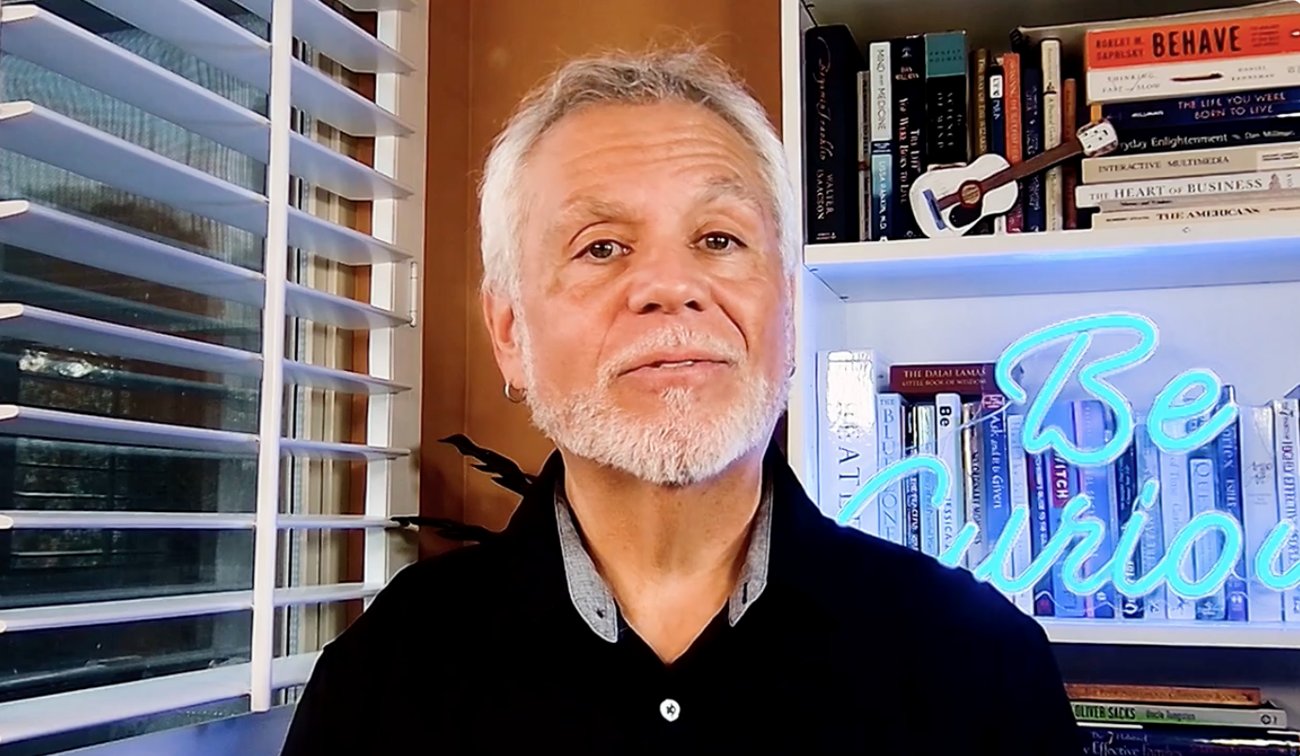
Most people who understand knowledge can't build the systems.
Most people who can build them don't understand how anyone learns. I have done both for more than 20 years.
I've gone inside companies to build the function that didn't exist, then out again to solve the same problem for others. Microsoft, Fortive, REEF, DoubleVerify, Replit, and my own practice in between. It means I usually recognize your problem before you finish describing it.
I've also been early to every wave of this: digital learning before it was a category, microlearning before it had a name, machine learning in content operations in 2018, AI-native systems now. I still write the code myself.
Start with an audit.
Three to four weeks, scoped, and you'll know exactly where you stand. Tell me what's breaking and I'll tell you whether I can help.